Your Trusted 24 Hours Service Provider!


-
 Call Us+86-158-0331-9351
 -
 Emailcarrie@sinopulse.cn
 -
 AddressHandan City, Hebei , China
can you use acetylene hose for propane
Understanding High-Performance acetylene hose Solutions for Industrial Applications In demanding industrial environments, particularly within welding, cutting, and allied processes, the integrity and performance of gas delivery systems are paramount. The acetylene hose stands as a critical component, engineered to safely and efficiently transport highly combustible gases. This comprehensive guide delves into the intricate world of acetylene hose technology, exploring its manufacturing, technical specifications, diverse applications, and the rigorous standards that govern its production. Our focus is to provide B2B decision-makers and engineers with deep insights into selecting optimal acetylene hose solutions that ensure safety, enhance operational efficiency, and drive cost-effectiveness. The evolution of industrial processes has placed increasing demands on component reliability. Modern acetylene hose designs leverage advanced material science and precision engineering to deliver superior performance in challenging conditions, from extreme temperatures to abrasive environments. We will examine how these innovations translate into tangible benefits across various sectors, ensuring compliance with international safety standards. Industry Trends and Market Dynamics for Oxygen & Acetylene Hose Solutions The global market for oxygen & acetylene hose solutions is experiencing dynamic shifts, driven by several key trends. Automation in welding processes, an increasing emphasis on worker safety, and the demand for more durable and efficient equipment are reshaping product development and market demand. There is a discernible move towards hoses with enhanced chemical resistance, superior flame retardancy, and improved flexibility to accommodate robotic welding arms and complex operational layouts. The integration of advanced materials, such as specific synthetic rubbers and high-tensile strength reinforcement fibers, is becoming standard. Furthermore, the push for environmental sustainability is influencing material choices and manufacturing processes, with a growing interest in components that offer extended service life and are compliant with stricter regulatory frameworks. The demand for specialized oxygen and acetylene hose reels , designed for better organization, quicker deployment, and improved safety, also highlights a broader trend towards integrated, user-friendly solutions. Emerging markets, particularly in Asia-Pacific, are demonstrating robust growth in infrastructure development and manufacturing, fueling the demand for reliable welding and cutting equipment, including high-quality acetylene hose products. Image: High-pressure capabilities of modern acetylene hose . Technical Specifications and Parameters of Acetylene Hoses The performance and safety of an acetylene hose are defined by a series of critical technical parameters. Understanding these specifications is essential for proper selection and application. Key parameters include: Bore Diameter (ID): Ranging typically from 5mm (3/16") to 10mm (3/8"), the bore size dictates gas flow rate. Working Pressure (WP): The maximum continuous pressure the hose can safely withstand. For acetylene, this is commonly 20 bar (290 psi). Burst Pressure (BP): The pressure at which the hose is expected to fail, typically 3x to 4x the working pressure, ensuring a significant safety margin. Temperature Range: The operational temperature limits, usually -30°C to +70°C (-22°F to +158°F), critical for maintaining material integrity in various climates. Material Composition: Inner Tube: Often made from Synthetic Rubber (e.g., SBR or NBR blend) to provide excellent gas impermeability and resistance to acetylene. Reinforcement: High-tensile synthetic fiber (e.g., polyester spiral or braid) embedded to provide structural strength and pressure resistance. Outer Cover: Abrasion, weather, and ozone-resistant synthetic rubber (e.g., SBR/NBR blend) for protection against environmental factors and physical damage. Typically red for acetylene, conforming to international color codes. Standards Compliance: Adherence to international standards like ISO 3821 (Rubber hoses for welding, cutting and allied processes) and EN 559. Typical Acetylene Hose Specification Table Parameter Typical Value Explanation Inner Diameter (ID) 6.3 mm (1/4") Common size for welding/cutting applications. Working Pressure (WP) 20 bar (290 psi) Standard operating pressure for acetylene. Burst Pressure (BP) 60 bar (870 psi) Provides a 3:1 safety factor. Temperature Range -30°C to +70°C Ensures performance in diverse climates. Inner Tube Material SBR/NBR Blend Excellent gas resistance. Reinforcement High-tensile Synthetic Yarn Ensures structural integrity. Outer Cover Material Weather-resistant SBR/NBR Blend Abrasion, ozone, and flame resistant. Color Coding Red (Acetylene) International standard for easy identification. Standards ISO 3821, EN 559 Ensures compliance and safety. Choosing the correct acetylene hose requires a thorough understanding of these specifications to match the hose to the exact demands of the application, thereby maximizing safety and operational longevity. The Manufacturing Process of a High-Quality Acetylene Hose The production of an industrial-grade acetylene hose is a meticulously controlled multi-stage process, designed to ensure optimal safety, durability, and performance. This process integrates advanced material science with precision engineering, culminating in a product capable of withstanding the rigors of industrial use. Emphasizing adherence to international standards such as ISO 3821 and EN 559 is crucial at every stage. Detailed Manufacturing Process Flow: Material Preparation: High-quality synthetic rubber compounds, typically SBR (Styrene-Butadiene Rubber) or NBR (Nitrile Butadiene Rubber) blends, are selected for their excellent gas impermeability and chemical resistance to acetylene. These raw materials undergo precise mixing and calendering to achieve the desired consistency and properties. Inner Tube Extrusion: The prepared rubber compound is fed into an extruder, where it is heated and forced through a die to form the seamless inner tube. This critical layer ensures gas containment and is engineered for minimal permeation. Reinforcement Layer Application: The extruded inner tube then passes through a braiding or spiraling machine. High-tensile synthetic textile fibers (e.g., polyester yarn) are precisely wound around the inner tube in multiple layers. This reinforcement provides the necessary strength to withstand the internal working and burst pressures, preventing expansion or rupture. Outer Cover Extrusion: Another layer of specially formulated synthetic rubber compound, designed for superior abrasion, ozone, UV, and flame resistance, is extruded over the reinforced core. This outer cover protects the hose from external damage and environmental degradation. The cover is typically colored red for easy identification of acetylene lines. Vulcanization (Curing): The multi-layered hose structure is then subjected to a controlled vulcanization process in a steam autoclave. This heat and pressure treatment chemically cross-links the rubber polymers, transforming the material into a highly elastic and durable product. Vulcanization is crucial for achieving the final mechanical properties, flexibility, and service life of the hose. Cooling and Finishing: After vulcanization, the hose is cooled, then cut to specific lengths, and undergoes a series of finishing steps including branding, printing, and packaging. Quality Control & Testing: Throughout the process, and especially at the final stage, rigorous testing is conducted. This includes pressure testing (working and burst pressure), flexibility tests, adhesion tests between layers, ozone resistance, and dimensional checks. Each batch of acetylene hose is tested to ensure compliance with ISO 3821, EN 559, and other relevant safety standards, guaranteeing a service life designed for optimal performance and safety. This sophisticated manufacturing process, employing techniques akin to those in precision casting and extrusion, ensures that each acetylene hose delivered meets the stringent demands of industries such as petrochemical, metallurgy, shipbuilding, and heavy construction, offering advantages like corrosion resistance against atmospheric elements and significant energy saving through efficient gas delivery. Image: Close-up of acetylene hose construction, showcasing its robust design. Diverse Application Scenarios of Oxygen and Acetylene Hoses The versatility and critical safety features of oxygen and acetylene hoses make them indispensable across a wide spectrum of heavy industries. Their ability to safely convey combustible gases under various environmental conditions ensures they are at the forefront of numerous demanding operations. Key target industries and application scenarios include: Petrochemical Industry: Used in refineries and chemical plants for maintenance welding, pipe fabrication, and structural repairs. The corrosion resistance of the outer cover is vital in environments exposed to various chemicals and hydrocarbons. Metallurgy and Steel Mills: Essential for cutting massive steel plates, welding structural components, and repair work on heavy machinery. Hoses here must withstand high heat, slag, and constant abrasion. Shipbuilding and Marine Construction: Employed extensively for welding hull sections, fabricating internal structures, and repair operations in challenging wet and saline conditions. Excellent weather and salt-water resistance are crucial. Automotive Manufacturing & Repair: Used for assembly line welding, frame repairs, and exhaust system fabrication. Flexible hoses facilitate intricate work in confined spaces. Construction and Infrastructure: Critical for welding rebar, structural steel erection, and on-site metal fabrication. Durability and resistance to cuts and punctures are highly valued. Heavy Equipment Manufacturing: Used in the assembly and repair of agricultural machinery, mining equipment, and earth-moving vehicles, where robust and reliable connections are non-negotiable. In these typical application scenarios, the advantages of a high-quality hose oxygen acetylene are vividly demonstrated. Its robust construction ensures enhanced safety, reducing the risk of leaks and blowouts, which can lead to significant energy savings by preventing gas waste. The superior material resistance to wear, weather, and chemicals prolongs service life, minimizing replacement costs and downtime. Furthermore, the flexibility and kink resistance of modern hoses improve ergonomics for operators, contributing to overall productivity and worker well-being. Technical Advantages and Performance Metrics The technical superiority of a well-engineered acetylene hose translates directly into enhanced operational safety, efficiency, and cost-effectiveness. Our decades of experience in the hydraulic and gas hose industry have allowed us to refine designs that consistently outperform industry benchmarks. Exceptional Safety Profile: Designed and manufactured to exceed international safety standards (ISO 3821, EN 559), our hoses feature multi-layer construction with a high-strength textile reinforcement layer, providing burst pressures significantly higher than working pressures. This inherent safety margin is critical in preventing dangerous gas leaks and catastrophic failures, protecting personnel and assets. Superior Durability and Longevity: The outer cover material is specially compounded for resistance against common industrial hazards, including abrasion, cuts, punctures, ozone, and UV radiation. This robust exterior ensures a prolonged service life, even in the harshest environments, significantly reducing the frequency and cost of replacements. Optimal Flexibility and Kink Resistance: Despite their strength, our acetylene hose products maintain excellent flexibility, crucial for ease of handling and maneuverability in tight spaces. This reduces operator fatigue and prevents kinks that can restrict gas flow or create weak points in the hose structure, leading to premature failure. Chemical and Heat Resistance: The inner tube is engineered with specific synthetic rubber blends that resist the chemical interactions of acetylene gas, preventing material degradation and ensuring gas purity. The overall construction is also designed to withstand typical welding sparks and moderate heat exposure. Consistent Flow Rates: The smooth inner bore and consistent diameter ensure uninterrupted gas flow, which is vital for maintaining stable flame characteristics during welding and cutting operations. This consistency contributes to higher quality welds and more efficient material processing. These advantages are not merely theoretical; they are validated through extensive internal testing and field performance reports, demonstrating our commitment to delivering authoritative, high-performance gas transfer solutions. Our hoses are trusted by partner clients in various demanding sectors, reflecting their proven reliability and our dedication to quality. Vendor Comparison: Choosing the Right Oxygen & Acetylene Hose Supplier Selecting the appropriate supplier for oxygen & acetylene hose products is a strategic decision that directly impacts safety, operational efficiency, and long-term cost. While many vendors offer these products, their commitment to quality, adherence to standards, and breadth of service can vary significantly. Here's a comparison of key factors to consider when evaluating suppliers: Key Comparison Criteria: Certifications and Compliance: A reputable vendor will provide products that are rigorously tested and certified to international standards like ISO 3821, EN 559, and potentially UL or CSA where applicable. Verification of these certifications provides assurance of product quality and safety. Material Quality and Construction: Investigate the specific synthetic rubber compounds used for the inner tube and outer cover, as well as the reinforcement materials. Superior materials offer better resistance to gas permeation, abrasion, ozone, and kinking. Technical Support and Expertise: A strong vendor offers technical assistance, helping you choose the correct hose oxygen acetylene for your specific application, fitting requirements, and installation guidelines. Their team should possess deep product knowledge. Customization Capabilities: The ability to provide customized lengths, pre-assembled hose lines with fittings, specialized color coding, or private labeling can be a significant advantage for large-scale operations or unique industrial requirements. Lead Times and Fulfillment: Reliable inventory and efficient logistics ensure timely delivery, minimizing operational downtime. Assess their lead times, order tracking, and commitment to delivery schedules. Warranty and After-Sales Support: A comprehensive warranty indicates confidence in product quality. Excellent after-sales support, including troubleshooting and replacement policies, is crucial for long-term partnership. Comparative Table: Standard vs. Heavy-Duty Acetylene Hoses Feature Standard Duty Hose Heavy-Duty Hose Inner Diameter (ID) 5 mm - 8 mm 6.3 mm - 10 mm Working Pressure (WP) Up to 20 bar (290 psi) Up to 25 bar (360 psi) Burst Pressure (BP) 60 bar (870 psi) 100 bar (1450 psi) Outer Cover Durability Good abrasion/ozone resistance Excellent abrasion/cut/flame resistance Reinforcement Layers Single layer textile braid Multiple layer textile braid/spiral Typical Applications Light-duty welding, home workshops Industrial welding, construction, shipbuilding Our position as a leading supplier of oxygen and acetylene hoses is built on a foundation of quality, innovation, and unparalleled customer support, ensuring that our products meet the most stringent demands of modern industry. Image: Durability test setup for acetylene hose , ensuring compliance. Customized Solutions for Oxygen & Acetylene Hose Requirements Recognizing that standard products may not always perfectly fit unique industrial demands, we specialize in providing tailored solutions for oxygen & acetylene hose systems. Our comprehensive customization capabilities ensure that clients receive hoses perfectly optimized for their specific operational constraints, environmental conditions, and safety protocols. Our Customization Offerings Include: Specific Lengths and Diameters: Hoses can be manufactured to precise lengths and custom internal diameters to optimize gas flow and minimize waste, reducing friction loss and improving overall system efficiency. Pre-Assembled Hose Lines: We offer complete hose assemblies with factory-crimped end fittings (e.g., brass, stainless steel, or specialized quick-connect couplings) designed to meet specific pressure ratings and application requirements, ensuring leak-free connections and quicker installation. Specialized Cover Materials: For extreme environments, we can provide hoses with covers enhanced for superior resistance to chemicals, high temperatures, intense abrasion, or heavy-duty flame retardancy, extending the life of the acetylene hose in hazardous conditions. Color Coding and Branding: Beyond the standard red for acetylene, hoses can be color-coded for different gases or applications, and private branding or specific identification marks can be incorporated for improved inventory management and safety compliance. Multi-Line Hoses: Combining oxygen and acetylene lines into a single, integrated "twin hose" configuration reduces clutter and enhances safety, particularly for portable welding setups or oxygen and acetylene hose reels . Compliance with Niche Standards: For clients operating under very specific regional or industry-specific safety standards beyond ISO 3821 or EN 559, we can engineer solutions that meet these unique regulatory demands. Our team of expert engineers works closely with clients from conceptualization through to production, ensuring that every customized acetylene hose solution not only meets but exceeds performance expectations, contributing to safer and more productive operations. Real-World Application Case Studies Our commitment to providing reliable oxygen and acetylene hoses is best illustrated through successful real-world applications. These case studies highlight how our tailored solutions address specific challenges and deliver measurable benefits for our clients. Case Study 1: Enhanced Safety in a Shipyard Environment Client: Major Shipbuilding Corporation Challenge: The shipyard faced persistent issues with premature hose wear and kinking of their existing acetylene hose products in the harsh marine environment. This led to frequent replacements, increased maintenance costs, and significant safety concerns due to potential gas leaks from damaged hoses. Solution: We provided custom-engineered heavy-duty oxygen and acetylene hoses with an enhanced, extra-thick outer cover specifically formulated for superior abrasion, saltwater, and UV resistance. These hoses also featured improved reinforcement for better kink resistance, crucial for maneuverability around ship structures. Each assembly was supplied with pre-crimped marine-grade fittings. Results: The client reported a 40% reduction in hose replacement frequency within the first year, leading to substantial cost savings and minimized downtime. Operator feedback indicated improved handling and flexibility, enhancing overall productivity and, most critically, a marked improvement in on-site safety records, reinforcing our reputation as a trusted supplier of robust hose oxygen acetylene solutions. Case Study 2: Optimizing Efficiency in an Automotive Assembly Plant Client: Global Automotive Manufacturer Challenge: The client required a more organized and efficient gas delivery system for numerous welding stations along their assembly line. Tangled hoses and difficult manual reeling of traditional acetylene hose assemblies were causing delays and safety hazards. Solution: We designed and supplied integrated oxygen and acetylene hose reels , pre-loaded with custom-length twin hoses. These twin hoses combined both oxygen and acetylene lines into a single unit, reducing clutter. The reels featured robust spring-retraction mechanisms and precise locking systems for easy extension and retraction. Results: The implementation of these integrated solutions led to a 25% increase in welding station efficiency due to quicker setup and breakdown times. Safety incidents related to tangled hoses were virtually eliminated, and the clean workspace improved compliance with 5S methodology. This project demonstrated the value of combining high-quality acetylene hose with thoughtful system design. Trustworthiness and Customer Support Building lasting relationships with our B2B clients is founded on trust, transparency, and reliable support. We are committed to providing not just high-quality acetylene hose products, but also a comprehensive service experience that instills confidence. Frequently Asked Questions (FAQ) Q: What is the typical service life of an acetylene hose? A: With proper use and maintenance, a high-quality acetylene hose compliant with ISO 3821 typically has a service life of 3-5 years, though some heavy-duty variants can last longer. Regular inspection for wear and damage is crucial. Q: How do I ensure I'm getting a compliant hose? A: Always verify that the hose is marked with relevant international standards such as ISO 3821 or EN 559. Reputable manufacturers will provide documentation and clear product markings. Q: Can these hoses be used with other fuel gases? A: Acetylene hoses are specifically designed for acetylene gas. Using them with other fuel gases (e.g., propane, natural gas) is generally not recommended unless the hose is explicitly rated for multi-gas use, due to differences in chemical compatibility and pressure requirements. Always consult product specifications. Q: What maintenance is required for acetylene hoses? A: Regular visual inspections for cuts, kinks, bulges, and abrasions are essential. Check fittings for leaks and ensure proper storage away from chemicals, direct sunlight, and extreme temperatures when not in use. Replace any damaged hose immediately. Lead Time and Fulfillment We maintain a robust inventory of standard oxygen and acetylene hoses and components to ensure prompt dispatch. Typical lead times for standard orders range from 3-5 business days, while customized solutions or large-volume orders will have a defined schedule communicated during the quotation process. Our logistics team works diligently to ensure on-time delivery globally. Warranty Commitments All our acetylene hose products come with a comprehensive 12-month warranty against manufacturing defects from the date of purchase. This warranty underscores our confidence in the quality and craftsmanship of our hoses, provided they are installed and used in accordance with industry best practices and product specifications. Dedicated Customer Support Our expert customer support team is available to assist with product selection, technical inquiries, order tracking, and any after-sales service needs. We pride ourselves on responsive and knowledgeable assistance, ensuring a seamless experience for our clients. Reach out to us via phone or email for prompt support. Image: Quality control personnel inspecting a completed acetylene hose assembly. Conclusion The selection and implementation of a high-quality acetylene hose are pivotal for maintaining safe, efficient, and cost-effective operations across numerous industrial sectors. From its meticulous manufacturing process, adhering to stringent international standards, to its diverse applications and technical advantages, every aspect of an acetylene hose is engineered for performance under pressure. By understanding the detailed specifications, considering tailored solutions, and partnering with a reputable vendor committed to expertise, authoritativeness, and trustworthiness, B2B decision-makers and engineers can confidently procure solutions that elevate their operational capabilities and uphold the highest safety standards. Our comprehensive range of oxygen and acetylene hose products and services stands ready to meet these critical industrial demands. References International Organization for Standardization. (2018). ISO 3821: Rubber hoses for welding, cutting and allied processes. European Committee for Standardization. (2010). EN 559: Rubber hoses and hose assemblies for welding, cutting and allied processes - Specification. National Fire Protection Association. (2020). NFPA 51: Standard for the Design and Installation of Oxygen-Fuel Gas Systems for Welding, Cutting, and Allied Processes. Rubber Manufacturers Association. (2017). RMA IP-2: Hose Handbook.
WHAT WE DO
At Sinopulse, we are dedicated to enhancing industrial performance through innovative technology and exceptional customer service. Founded in 2011, Sinopulse began as a small startup with a big dream. Over the past decade, we have grown into a leading industrial hose, hydraulic hose & fittings manufacturer boasting a 45,000 m² workshop, 86 production lines, and a dedicated team of over 200 employees. Our commitment to quality and efficiency enables us to produce an impressive 100,000 meters of hose daily, offering the worldwide most reliable, safe, and most efficient qualified hose and coupling.


×
-
 45,000 m²Factory Area
 -
 86 +Production Line
 -
 200 +Employee
 -
 400,000 +Capacity
WHY CHOOSE US
-
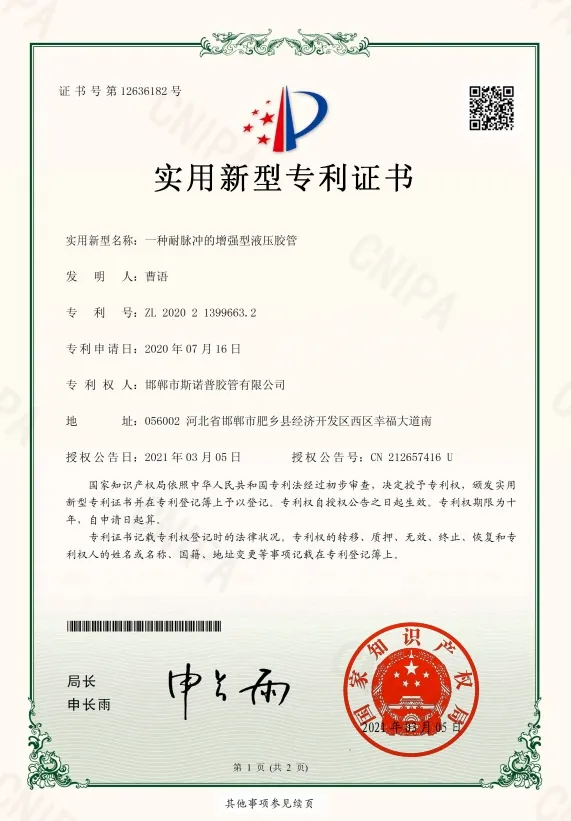
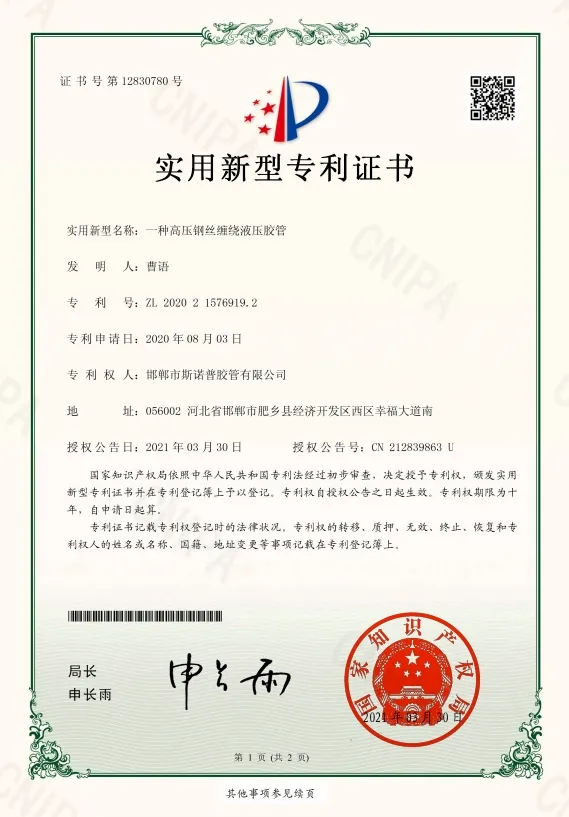
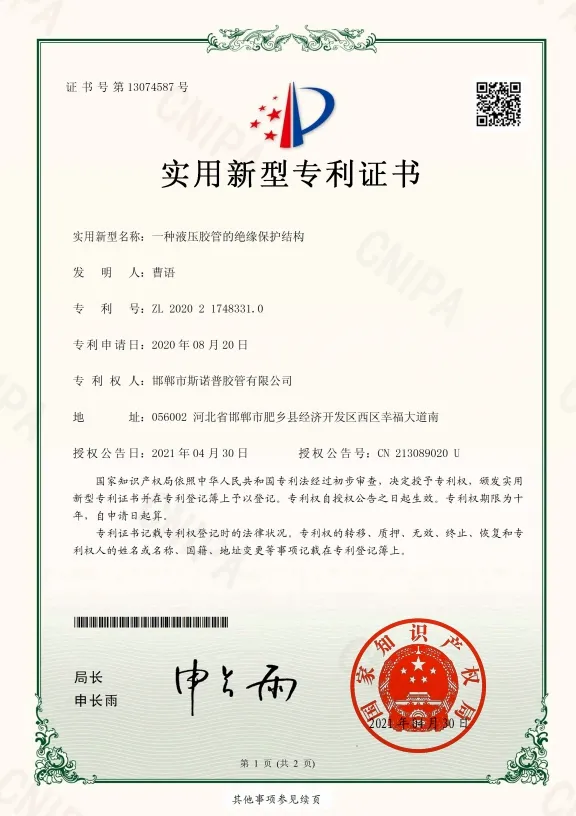
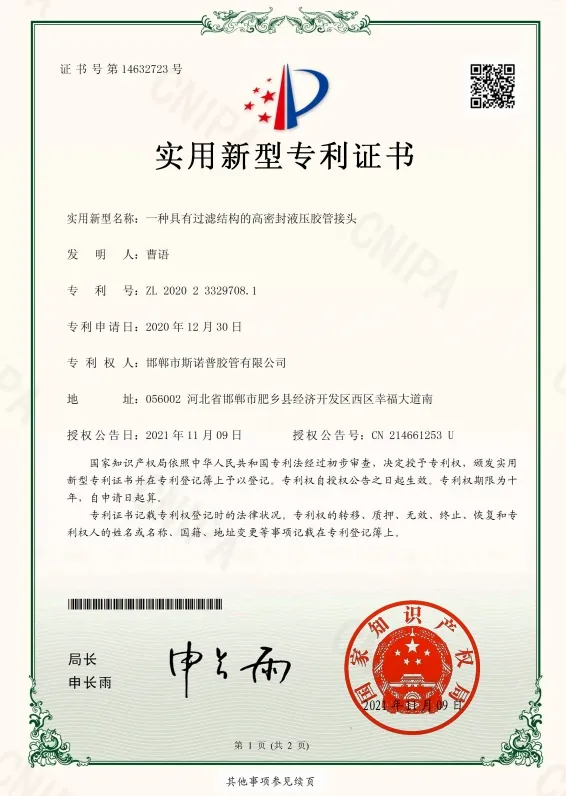
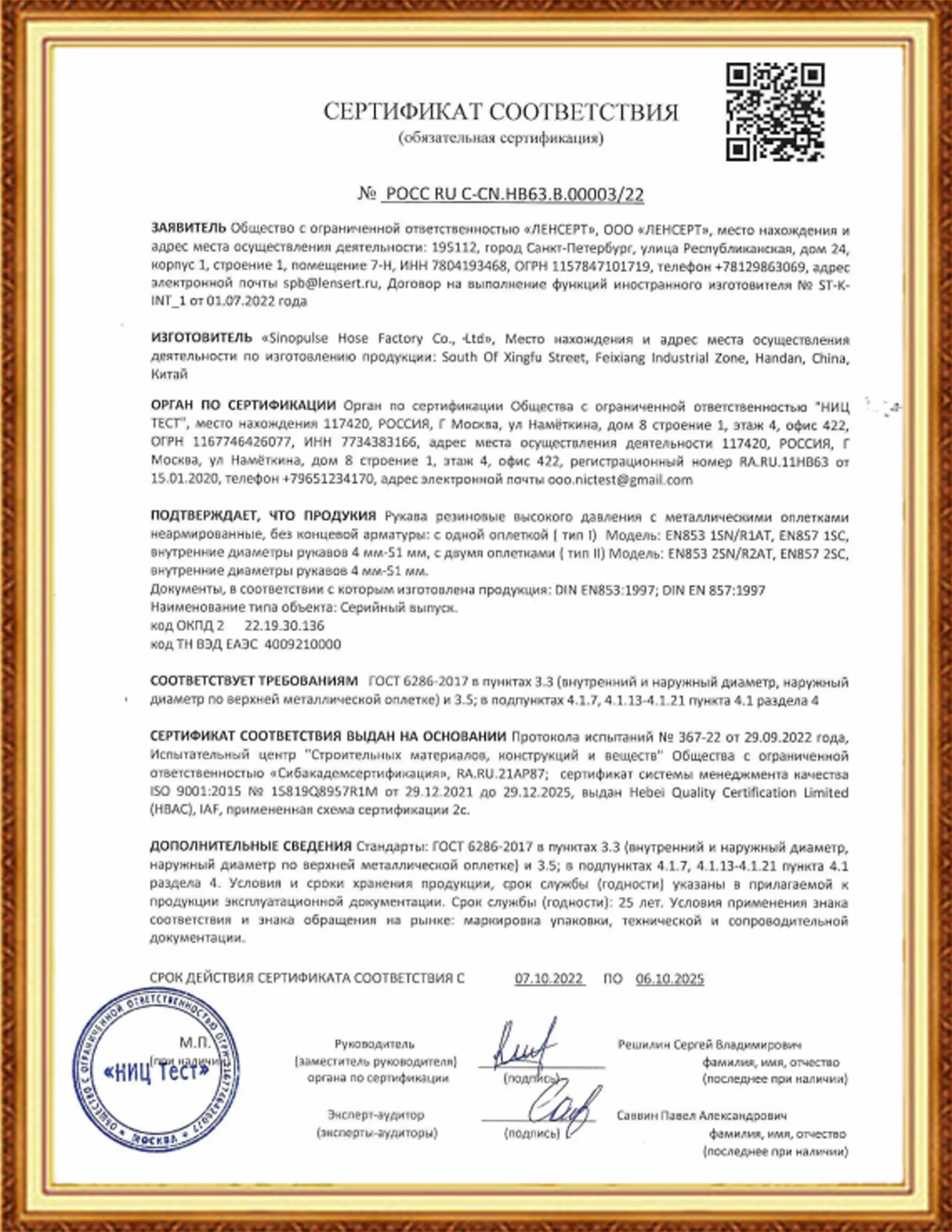
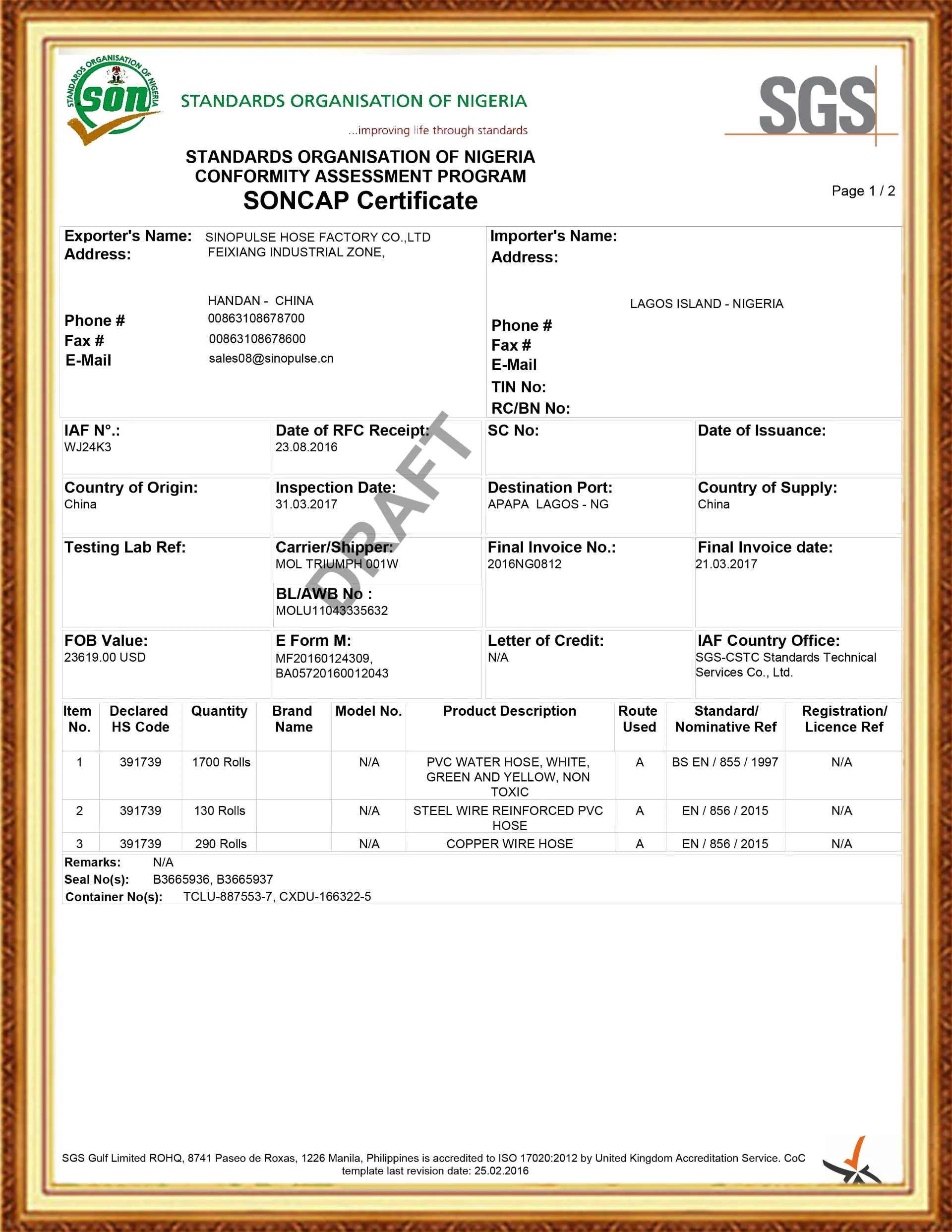
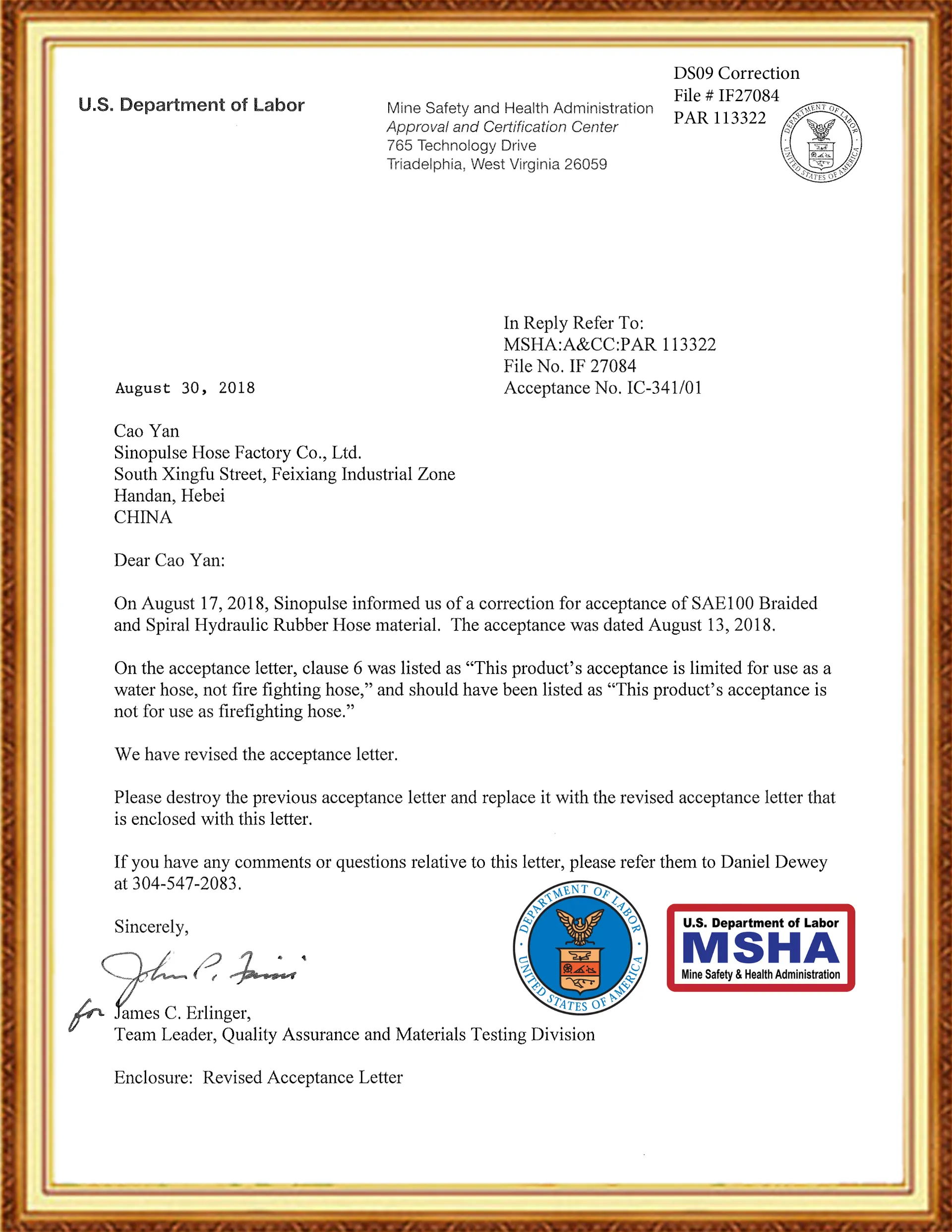
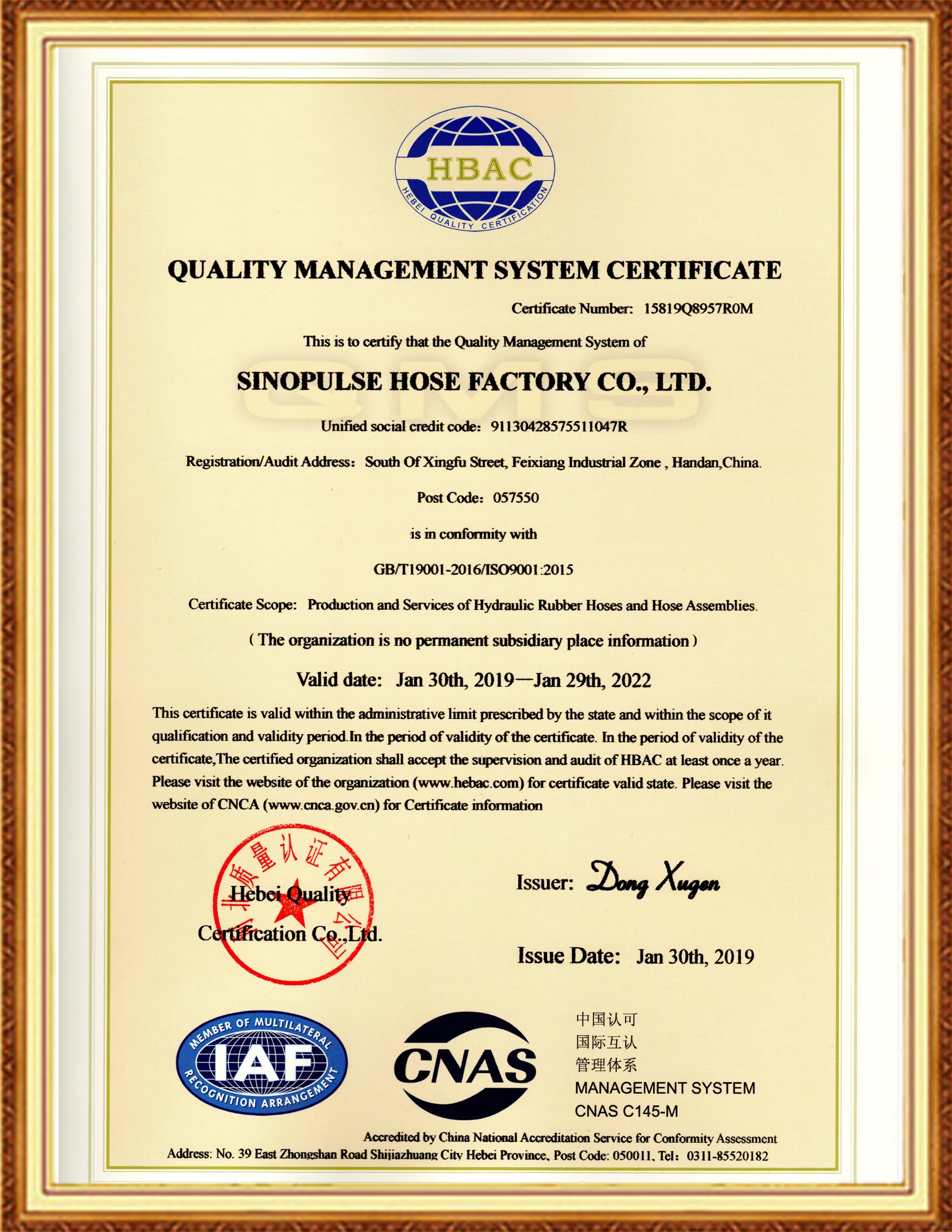
When it comes to choosing a reliable and trustworthy partner for your business needs, certification is a crucial factor to consider. At our company, we take pride in our commitment to meeting the highest standards of quality and safety, as evidenced by our certifications including ISO, MSHA, GOST, SGS, FDA ....More>>

-
One of the key strengths of SINOPULSE’s R&D capabilities is its ability to design hoses for a wide range of conveyor fluids. Whether it’s hydraulic oil, water, air, or specialized chemicals, the company has the expertise to develop hoses that are compatible with the specific fluid’s properties. This versatility allows SINOPULSE to cater to diverse industries such as construction, mining, agriculture, and manufacturing, where different fluids are used for various applications.More>>
-
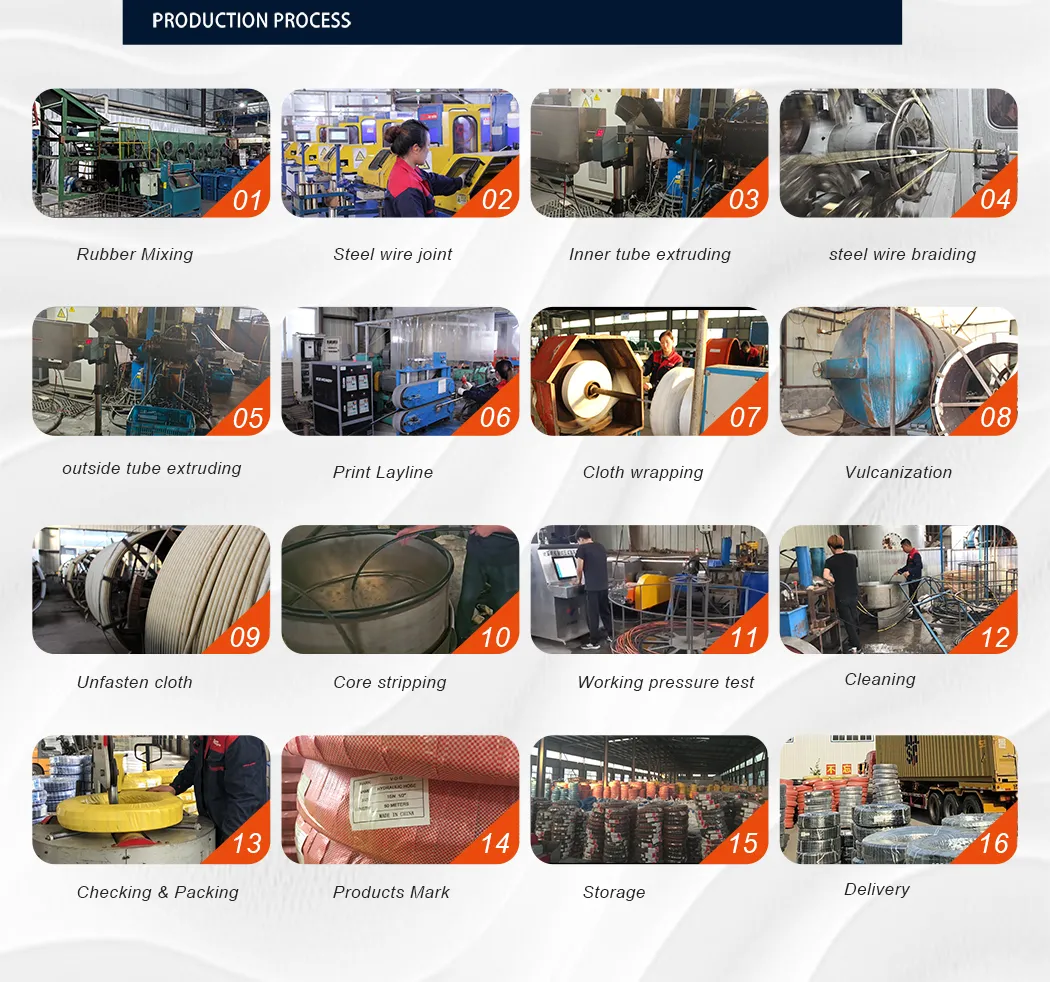
SINOPULSE QUALITY CONTROL system is a comprehensive and advanced system that ensures the highest standards of quality in manufacturing processes. Quality control is a critical aspect of any manufacturing operation, and the SINOPULSE system is designed to provide a robust framework for monitoring and maintaining quality throughout the production process.More>>
-
SINOPULSE’s gold medal service in foreign trade, coupled with its emphasis on team service and product excellence, positions the company as a leader in the industry. With a focus on delivering tailored solutions and exceptional customer support, SINOPULSE continues to set the standard for excellence in international trade services.More>>
-
 20 YearsExperience
 -
 120 +Exported Countries
 -
 200 +Clients
 -
 30 Million USDAnnul Sales
OUR PROJECT
Our rubber hose products have good performance advantages, such as pressure flexibility, strength, weather resistance, no deformation, and good pulse testing.
-
 stainless steel high pressure tubingHigh pressure stainless steel hoses are an integral component in many industrial applications, offering unmatched durability and performance in demanding environments. These hoses are designed to withstand extreme pressure levels, making them essential for industries like oil and gas, chemical processing, and manufacturing. One of the most significant advantages of high pressure stainless steel ho...
 -
 steam hose connectionsHigh Temperature Steam Hose is a key solution in the manufacturing industry, specifically within Rubber and plastic products industry and industry hose. This article explores how HEBEI SINOPULSE TECH GROUP CO.,LTD. supports professionals with durable, high-performance products, and explains why this product is an ideal choice for businesses in these sectors. Table of Contents High Temperature Stea...
 -
 heavy duty hydraulic hoseIn the intricate ecosystem of industrial machinery, high pressure hydraulic hoses function as the vital arteries, channeling power and fluid with precision across towering construction equipment, deep-sea drilling rigs, and advanced manufacturing lines. These unassuming yet indispensable components endure a symphony of pressures, temperatures, and mechanical stresses—yet even the sturdiest industr...
 -
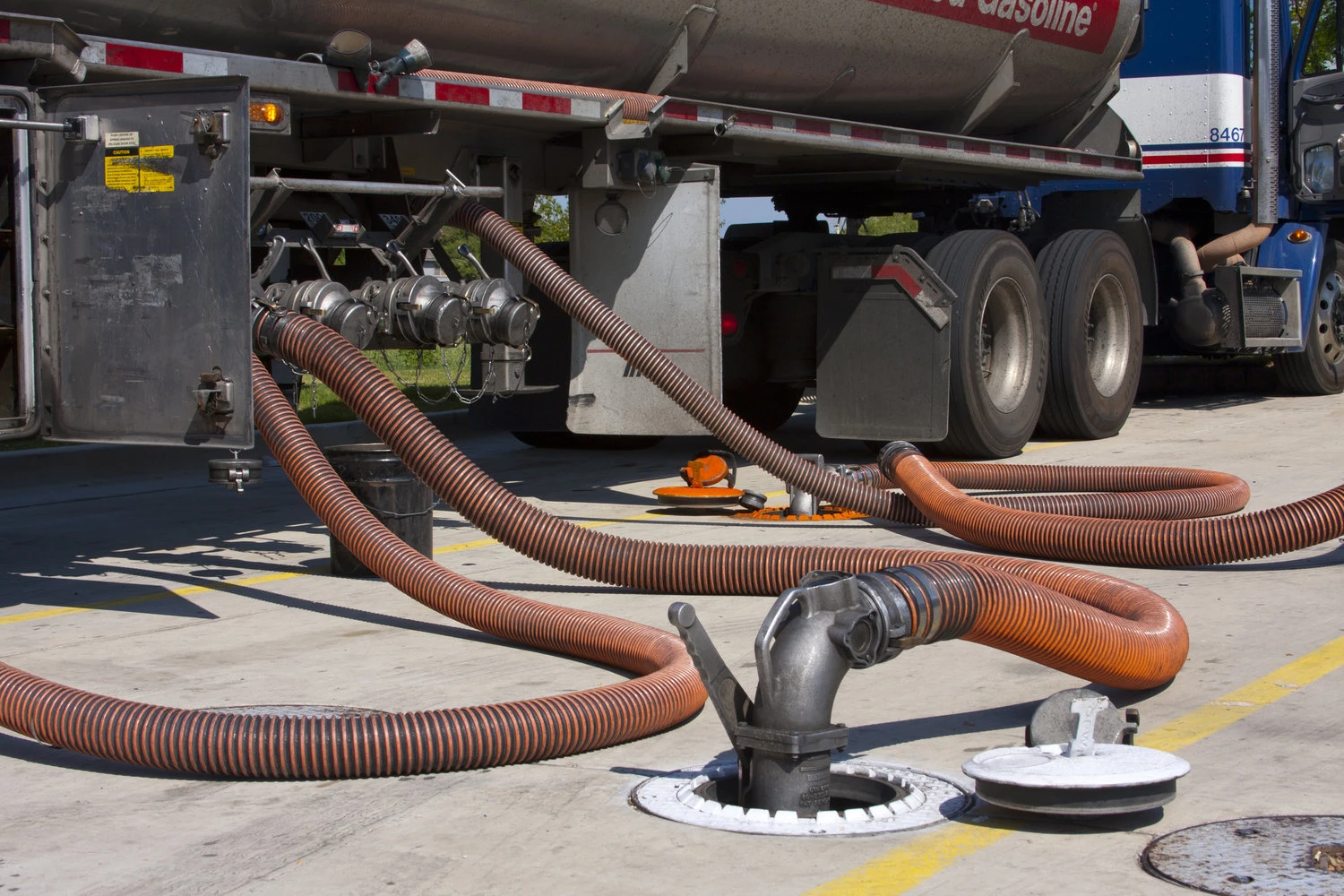 power steering fluid hoseHydraulic hoses are flexible conduits designed to transmit pressurized fluid within a hydraulic system. These hoses typically consist of three layers: an inner tube that carries the fluid, a reinforcement layer that resists pressure, and an outer cover that protects against abrasion, weather, and chemicals. Hydraulic systems use incompressible fluids such as oil or synthetic fluids to generate hig...
OUR LATEST NEWS
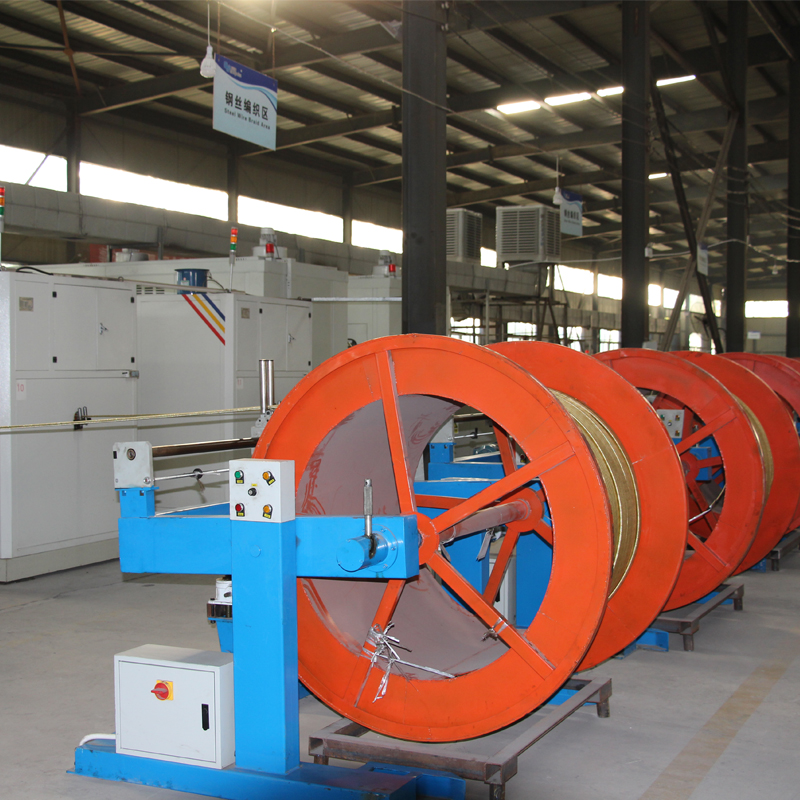
Strict quality control strict production team to ensure stable products quality. Scientific personnel management, efficient production arrangements to ensure our timely delivery.
HOW TO FIND US
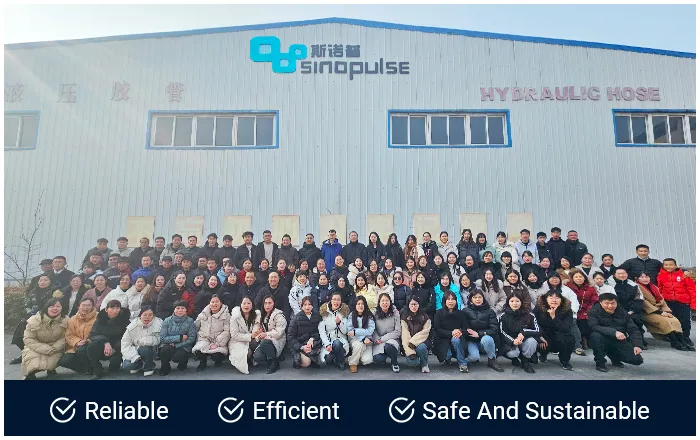
We welcome customers from all over the world visit our hydraulic hose factory and make fruitful cooperation. If you need hoses, contact with us without hesitation. We will give you professional service,qualified goods and best prices!
HOW CAN WE HELP ?
Have questions or need help? Use the form to reach out and we will be in touch with you
as quickly as possible.